Ladies and gentlemen! In the red corner, weighing in at three weeks, a run of solid and entertaining plays leading to a happy reviewer! In the blue corner, weighing in at nine months, a continual run of disappointment from the Theatre Royal Haymarket! Which of these giants will win?
The answer, if you’ve read any of the papers lately, is obvious: the Haymarket curse strikes again, this time intruding on what should have been an exciting adventure romp and leaving it with two hours of tepid, uninspired mush where one of the great pirate tales ever written should have been.
I’m not going to bother getting into the plot as I'm presuming that most readers here will have a familiarity with the Treasure Island story either from the original novel or some form of reinterpretation, be it the 60’s Animal Treasure Island cartoon, the Muppet version, or any other edition of your choice, and therefore spoil at will.
It all goes wrong starting with Ken Ludwig’s script. In another case of “why show or visualise what you can narrate,” protagonist Jim (charmingly albeit not boyishly played by Michael Legge) tells us everything: his feelings at making his first kill, his fears, how the boat moved, and so on. For example, Jim tells us in a narration that he cut the Hispaniola’s anchor but then it comes up again in the dialogue moments later in a redundant display of redundancy.
Next there’s the music. While Treasure Island is a play with a few songs, it has a mere two or three which are repeated constantly. I’ve got more pirate songs (even public domain ones) on my iPod than were used in the show, and that’s just a handful of Jolly Rogers tracks I found on Audiogalaxy over five ago. More shanties, less repetition. This production also deserves an award for sound effects overkill, from the blind man’s staff getting an extra electronic bang to heartbeats and a mechanical bird whose gears we can hear spinning away in the stalls.
Third, the swordfighting. The first fight scene was wisely choreographed in the dark with occasional flashes from a lantern for a worthwhile reason: besides looking cool it covered up the fact that what we did see of the fighting was pretty bad. Fortunately the big fight scenes in the second act look significantly better.
And then we have the design. I liked the wooden floors and ropes and jungle bits and bobs because they had the right feeling: ship, jungle, old inn, all good. The suck factor comes from Dan Kugels’ video projections, which reminded me of another show I’d seen through the entire first act even though I couldn’t quite put my finger on what it was. Only during the interval did the realisation dawn on me: the projections were of the same types used in Lestat. This, by the way, is not a complement. Do we need to see spiders flash on the wall when Jim describes his nightmares of blind pirates? No. Do we need to see red blobs when Billy talks about his heart going? No. Do we all the same? Yes.
Finally, there’s the cast. They’re trying, heaven help them, but most of what they’re trying to do is keep their pirate-y accents which is about all they really *can* do given the slightness of the ensemble’s characterisation. It is mandatory, however, to give Keith Allen credit for being every bit the smooth talking fellow Long John Silver needs to be, living up to his star billing.
As I left the Haymarket, thoroughly battered, the question on my mind was “why?” As in “Why did they bother?” I wasn’t bored by Treasure Island, but I wasn’t impressed or charmed by it either: the show was, as a good friend of mine puts it, beige. What’s said is how much I wanted to like this: I love pirate stories (pirates > ninjas any day) and even found myself amused at the ill-fated Peter Pan: El Musical, but Treasure Island gave me nothing to walk away with: it’s 100% bland, empty, and forgettable fare fine for community and AmDram companies looking for a low-rent show over the holidays, but as a West End alternative? Save your pirate plunder for the punchy pair of Peter Pan pantos in Croydon and Richmond instead.
Where: Theatre Royal Haymarket
When: Until 28 Feb., W-Sa @ 19:30, Tu @ 19:00, W/Sa @ 14:30, Su @ 15:00
How Much: £20-45
Concessions: Seniors £20 matinees best available booked in advance, students £20 upper circle on the day, family discounts available.
------------------------
RZ Unofficial “Worth Paying”: £5. This isn’t a worthless production that’ll eat your brain alive, but there’s no reason to pay either.
RZ Other Notes: I was under the overhang from the circles so I don’t know how filled they were but the stalls were rather deserted. If you do go, keep an eye on the start times because they’re all over the place - I forgot last night’s show was at 19:00 until I checked my booking at 18:10 and made it to the theatre with just enough time to use the gents’ before taking my seat.
Showing posts with label Haymarket. Show all posts
Showing posts with label Haymarket. Show all posts
Wednesday, 19 November 2008


Wednesday, 1 October 2008
REVIEW: “Girl with a Pearl Earring”
The problem with adaptations is that they will inevitably and almost certainly be compared unfavourably with the original work. After all, the original is what the creator intended the piece to be, so how can a reworking dare hope to improve on their artistic vision?
If you’re a cultural bum like the RZ, however, this qualm is frequently moot: you can’t compare an adaptation to the original if you’ve never read it/seen it before. Case in point? The fact that the RZ didn’t outright despise David Joss Buckley’s new stage edition of Tracy Chevalier’s historical novel Girl with a Pearl Earring, currently running at the Theatre Royal Haymarket, is a testament to the fact that he is clearly missing out on something that the critical establishment has partaken in.
For those who, like the RZ, have no idea what all the fuss is about, the story is simple: Griet’s (Kimberley Nixon) father is a tile painter who, after going blind, pulled some strings and got her a job as a maid at master painter Vermeer’s (Adrian Dunbar) house. Not quite sure of her place as a maid (she speaks her mind quite a bit) and uncomfortably Protestant in an unforgivingly Catholic neighbourhood of their Dutch town, Griet learns of art and philosophy from the master while cleaning his studio, eventually becoming the subject for one of his paintings, much to the household’s displeasure and the great joy of leering patron Van Ruijven. There’s a subplot involving whether or not Griet will marry butcher’s apprentice Pieter, but for the most part it’s a story of jealousy and artistic beauty - which is probably why everybody seems to think it’s so darned lame. Griet’s not sleeping with Vermeer (or at least it’s not acknowledged), and the whole thing makes much ado about nothing: from the beginning we see the supporting characters making asides along the lines of “I knew from when I saw her - her beauty - that she would end up tearing the house apart.” Given that the entire play is just over two hours with the interval, such conceptual clubbing is unnecessary and detracts from the natural growth of dramatic tension.
Since enough other people have highlighted the negative, let’s talk about some positives: Peter Mumford’s simple revolve set is effective, and though a bit on the pretentious side, his checkerboard walls and tiled floor symbolise the contrasts of the text. Mumford also chose to utilise a relatively minimalist lighting design that enhances, rather than obscures, the locations and events. Christopher Gunning’s incidental score is appealing and well used, and the cast (particularly Sara Kestelman as house matron Maria Thins) give it everything they’ve got. And, contrary to some other members of the internet, the RZ was decidedly not bored. Not enthralled, but not bored.
To be honest, the RZ wonders if Girl with a Pearl Earring is a victim of location as much as any flaws in the material: had the show gone up at the Menier or the King’s Head or any choice venue where the production would have been smaller (and indeed more effective from the venue’s intimacy) and the tickets cheaper (versus the Haymarket’s standard West End rates), would the majority of the press and public been kinder to it? It’s hard to tell, but the RZ paid the same as he did for Riflemind (nothing) and he was quite happy to sit through the second act at Girl.
Even so, let's not fool ourselves: Sondheim did the whole tormented art and beauty gig better.
Where: Theatre Royal Haymarket
When: Until November. M-Sa @ 19:30, W/Sa @ 14:30
How Much: £17.50-£45
Concessions: Day seats in the stalls for £20 from 10AM, seniors can advance book matinees for £20, students can book upper circle for £15 on the day.
--------------------------------
RZ Unofficial “Worth Paying”: £20. The material’s not perfect, but it’s not as bad as everybody says it is, and the production values and acting are lovely.
RZ Other Notes: That doesn’t change the fact that the Haymarket’s had four less than well received productions (The Country Wife, The Sea, Marguerite, Girl with a Pearl Earring) in a row. And it doesn’t change the fact that the RZ is still more interested in the upcoming Treasure Island more than any of the Haymarket’s other offerings from the past year.
If you’re a cultural bum like the RZ, however, this qualm is frequently moot: you can’t compare an adaptation to the original if you’ve never read it/seen it before. Case in point? The fact that the RZ didn’t outright despise David Joss Buckley’s new stage edition of Tracy Chevalier’s historical novel Girl with a Pearl Earring, currently running at the Theatre Royal Haymarket, is a testament to the fact that he is clearly missing out on something that the critical establishment has partaken in.
For those who, like the RZ, have no idea what all the fuss is about, the story is simple: Griet’s (Kimberley Nixon) father is a tile painter who, after going blind, pulled some strings and got her a job as a maid at master painter Vermeer’s (Adrian Dunbar) house. Not quite sure of her place as a maid (she speaks her mind quite a bit) and uncomfortably Protestant in an unforgivingly Catholic neighbourhood of their Dutch town, Griet learns of art and philosophy from the master while cleaning his studio, eventually becoming the subject for one of his paintings, much to the household’s displeasure and the great joy of leering patron Van Ruijven. There’s a subplot involving whether or not Griet will marry butcher’s apprentice Pieter, but for the most part it’s a story of jealousy and artistic beauty - which is probably why everybody seems to think it’s so darned lame. Griet’s not sleeping with Vermeer (or at least it’s not acknowledged), and the whole thing makes much ado about nothing: from the beginning we see the supporting characters making asides along the lines of “I knew from when I saw her - her beauty - that she would end up tearing the house apart.” Given that the entire play is just over two hours with the interval, such conceptual clubbing is unnecessary and detracts from the natural growth of dramatic tension.
Since enough other people have highlighted the negative, let’s talk about some positives: Peter Mumford’s simple revolve set is effective, and though a bit on the pretentious side, his checkerboard walls and tiled floor symbolise the contrasts of the text. Mumford also chose to utilise a relatively minimalist lighting design that enhances, rather than obscures, the locations and events. Christopher Gunning’s incidental score is appealing and well used, and the cast (particularly Sara Kestelman as house matron Maria Thins) give it everything they’ve got. And, contrary to some other members of the internet, the RZ was decidedly not bored. Not enthralled, but not bored.
To be honest, the RZ wonders if Girl with a Pearl Earring is a victim of location as much as any flaws in the material: had the show gone up at the Menier or the King’s Head or any choice venue where the production would have been smaller (and indeed more effective from the venue’s intimacy) and the tickets cheaper (versus the Haymarket’s standard West End rates), would the majority of the press and public been kinder to it? It’s hard to tell, but the RZ paid the same as he did for Riflemind (nothing) and he was quite happy to sit through the second act at Girl.
Even so, let's not fool ourselves: Sondheim did the whole tormented art and beauty gig better.
Where: Theatre Royal Haymarket
When: Until November. M-Sa @ 19:30, W/Sa @ 14:30
How Much: £17.50-£45
Concessions: Day seats in the stalls for £20 from 10AM, seniors can advance book matinees for £20, students can book upper circle for £15 on the day.
--------------------------------
RZ Unofficial “Worth Paying”: £20. The material’s not perfect, but it’s not as bad as everybody says it is, and the production values and acting are lovely.
RZ Other Notes: That doesn’t change the fact that the Haymarket’s had four less than well received productions (The Country Wife, The Sea, Marguerite, Girl with a Pearl Earring) in a row. And it doesn’t change the fact that the RZ is still more interested in the upcoming Treasure Island more than any of the Haymarket’s other offerings from the past year.
Sunday, 18 May 2008
REVIEW: "Marguerite"
There’s something satisfying about watching the greats fall from grace, be it in fiction or the news. After giving us two of the biggest hits in West End history (Les Miserables and Miss Saigon), Boubil and Schönberg began their decline with Martin Guerre before falling flat on their faces with last year’s Broadway bomb The Pirate Queen. While Marguerite, which they contributed the book and lyrics to, is far from being a top notch work, it shows that this legendary duo are working their way back up.
Marguerite resets Alexander Dumas’s novel Le Dame Aux Camèlias in the second world war. The title character is a high end prostitute turned singer turned prostitute who’s shacking up with a Nazi general in occupied France, while her society associates take advantage of her position for rations and to raise their own standing in what is viewed as the new pecking order. The show opens at the end of the story, as the populace turn against Marguerite (Ruthie Henshall) before we flash back to her birthday party some time earlier. As the British bomb Paris, our protagonist has a brief encounter with pianist Armand (Julian Ovenden) playing the event. As the two fall in love, we follow a parallel storyline as Armand’s sister (Annalene Beechey) works for the resistance with Jewish lover Lucienne. While the concept is a good idea, it’s not without flaw and at times feels like an exercise in expressing national guilt over the natives' actions under the Vichy government.
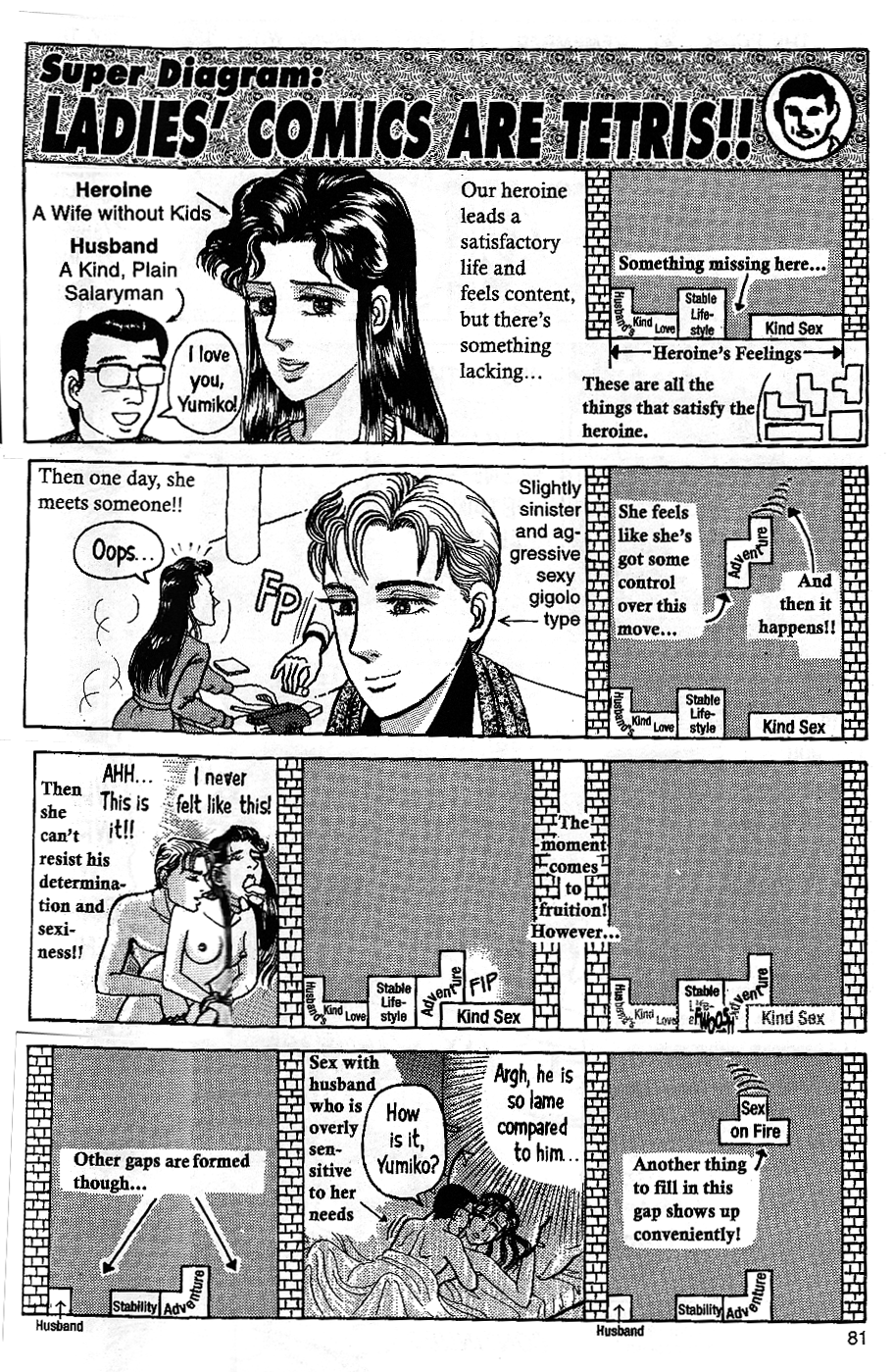
Unfortunately, there’s just no real reason to care about Marguerite the character. It’s shown from the beginning that she doesn’t love Otto (Alexander Hanson), but is merely using him. While she talks of the great risks of meeting (and sleeping) with Armand, we are given no real sense of danger until the second act, and never any emotional ties to this woman. When Otto dies during the second act and Marguerite finds herself without friends or finance, she sings a “How did this happen to me?” song. The answer, of course, is pretty simple: she fucked the man for his money and the gravy train got derailed when her lover shot him. There’s no subtext to the character, just a self-pitying opportunist who finds herself playing romance Tetris like in any other romance novel or women’s manga.
Michel Legrand’s score is beautifully orchestrated traditional musical theatre with a clear period influence, but it’s not especially memorable, and there’s not a song that immediately grabs your ear and demands repeating on your iPod. Herbert Kretzmer’s translation of Alain Boubil’s original French lyrics is simplistic. The rhymes are functional and suit the piece, they’re also uninspired, and there’s no subtext or greater intelligence to them. While not every musical demands a “Color and Light” or even a “My Psychopharmacologist and I”, some greater depth in the words (including the book which claims three authors) would go a long way towards making the title character sympathetic,.
Not that Ruthie Henshall doesn’t try. Utilising a classical soprano for most of her songs, Ms. Henshall sings in fine form, though her emotions are forced or outright lacking during scenes such as the opening party and when she begs Otto to spare Armand. Likewise, Mr. Hanson’s Otto is an archetype and not a character, flat until Marguerite angers him, and we don’t see any of the love he professes - the two are together for convenience. Mr. Ovenden’s Armand fares better, but Ms. Beechey steals the show as conflicted resistance fighter Annette.
The real star, however, is Paul Brown’s glamourous set, evocative of the era’s films combined with Mark Henderson’s sepia toned lighting. While the RZ found himself groaning when he first saw a turntable in use, the designs reminded him more of Rebecca than Les Miz. And yes, the much discussed explosion at the end of the second scene is truly impressive.
Overall, Marguerite is a misplaced love story where the side characters prove more engaging than the principals. There are certainly worse things running in London, and Legrand’s score justifies the cost of tickets. However, the piece isn’t ready for a West End run. Had the RZ seen it in Cardiff or Manchester as an out of town tryout, he’d have said that some focused rewrites could shape things up, but he saw it four days before the London press night. There’s no word on if revisions will continue after the official opening, but Marguerite needs work should there be plans to transfer. As it stands, the show is only OK.
Where: Theatre Royal, Haymarket
When: M-Sa @ 19:30, W/Sa @ 14:30 until November.
How Much: £25-£60
Concessions: £20 day seats when the BO opens. Seniors can advance book W Matinees for £25, disabled seats are £25 advance bookable. Students £20 stalls/£12.50 upper circle on the day.
----------------------
RZ Unofficial “Worth Paying”: £32.50. Treat it like a concert with sets and costumes, it’s just not “there” enough to pay full price, but one can justify half.
RZ Other Notes: The RZ recommends the creative team go across the street to see Brief Encounter as a reminder of how less than ideal characters can be emotionally engaging before going back to revise this show. Couples looking for an evening at something romantic would be encouraged to do the same.
Marguerite resets Alexander Dumas’s novel Le Dame Aux Camèlias in the second world war. The title character is a high end prostitute turned singer turned prostitute who’s shacking up with a Nazi general in occupied France, while her society associates take advantage of her position for rations and to raise their own standing in what is viewed as the new pecking order. The show opens at the end of the story, as the populace turn against Marguerite (Ruthie Henshall) before we flash back to her birthday party some time earlier. As the British bomb Paris, our protagonist has a brief encounter with pianist Armand (Julian Ovenden) playing the event. As the two fall in love, we follow a parallel storyline as Armand’s sister (Annalene Beechey) works for the resistance with Jewish lover Lucienne. While the concept is a good idea, it’s not without flaw and at times feels like an exercise in expressing national guilt over the natives' actions under the Vichy government.
Unfortunately, there’s just no real reason to care about Marguerite the character. It’s shown from the beginning that she doesn’t love Otto (Alexander Hanson), but is merely using him. While she talks of the great risks of meeting (and sleeping) with Armand, we are given no real sense of danger until the second act, and never any emotional ties to this woman. When Otto dies during the second act and Marguerite finds herself without friends or finance, she sings a “How did this happen to me?” song. The answer, of course, is pretty simple: she fucked the man for his money and the gravy train got derailed when her lover shot him. There’s no subtext to the character, just a self-pitying opportunist who finds herself playing romance Tetris like in any other romance novel or women’s manga.
Michel Legrand’s score is beautifully orchestrated traditional musical theatre with a clear period influence, but it’s not especially memorable, and there’s not a song that immediately grabs your ear and demands repeating on your iPod. Herbert Kretzmer’s translation of Alain Boubil’s original French lyrics is simplistic. The rhymes are functional and suit the piece, they’re also uninspired, and there’s no subtext or greater intelligence to them. While not every musical demands a “Color and Light” or even a “My Psychopharmacologist and I”, some greater depth in the words (including the book which claims three authors) would go a long way towards making the title character sympathetic,.
Not that Ruthie Henshall doesn’t try. Utilising a classical soprano for most of her songs, Ms. Henshall sings in fine form, though her emotions are forced or outright lacking during scenes such as the opening party and when she begs Otto to spare Armand. Likewise, Mr. Hanson’s Otto is an archetype and not a character, flat until Marguerite angers him, and we don’t see any of the love he professes - the two are together for convenience. Mr. Ovenden’s Armand fares better, but Ms. Beechey steals the show as conflicted resistance fighter Annette.
The real star, however, is Paul Brown’s glamourous set, evocative of the era’s films combined with Mark Henderson’s sepia toned lighting. While the RZ found himself groaning when he first saw a turntable in use, the designs reminded him more of Rebecca than Les Miz. And yes, the much discussed explosion at the end of the second scene is truly impressive.
Overall, Marguerite is a misplaced love story where the side characters prove more engaging than the principals. There are certainly worse things running in London, and Legrand’s score justifies the cost of tickets. However, the piece isn’t ready for a West End run. Had the RZ seen it in Cardiff or Manchester as an out of town tryout, he’d have said that some focused rewrites could shape things up, but he saw it four days before the London press night. There’s no word on if revisions will continue after the official opening, but Marguerite needs work should there be plans to transfer. As it stands, the show is only OK.
Where: Theatre Royal, Haymarket
When: M-Sa @ 19:30, W/Sa @ 14:30 until November.
How Much: £25-£60
Concessions: £20 day seats when the BO opens. Seniors can advance book W Matinees for £25, disabled seats are £25 advance bookable. Students £20 stalls/£12.50 upper circle on the day.
----------------------
RZ Unofficial “Worth Paying”: £32.50. Treat it like a concert with sets and costumes, it’s just not “there” enough to pay full price, but one can justify half.
RZ Other Notes: The RZ recommends the creative team go across the street to see Brief Encounter as a reminder of how less than ideal characters can be emotionally engaging before going back to revise this show. Couples looking for an evening at something romantic would be encouraged to do the same.
Subscribe to:
Posts (Atom)